
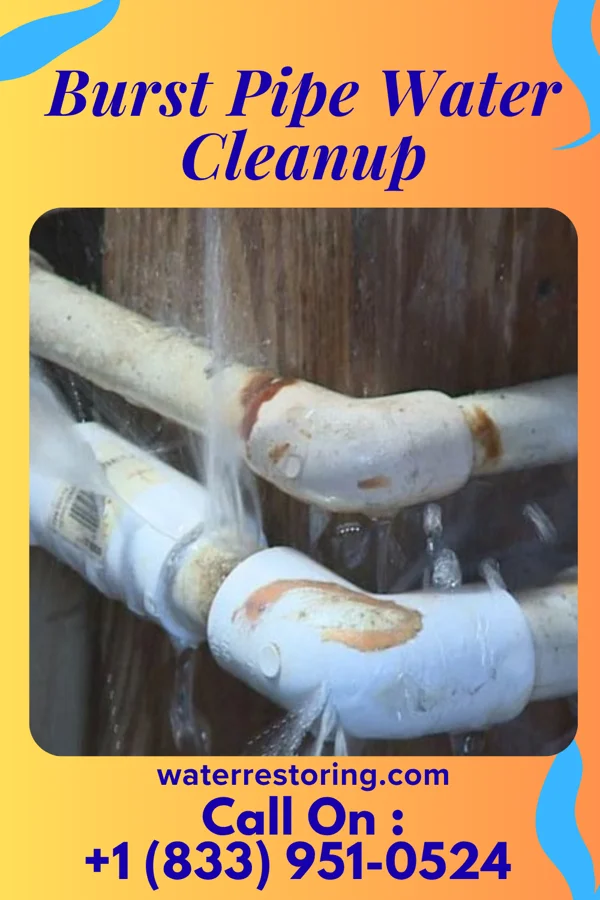
Hidden Burst Pipes in Sea Isle City
Property owners across Sea Isle City call certified water damage restoration when Sea Isle City, located in Cape May County, experiences frequent fluctuations in temperature and humidity due to its coastal location, which can cause pipes to expand and contract, increasing the risk of bursts. The city's proximity to the ocean and its seasonal weather patterns, such as sudden temperature drops in winter, contribute to the vulnerability of older plumbing systems.. A close second is Many homes in Sea Isle City are built on sandy soil, which can lead to uneven ground settlement and stress on underground pipes. Additionally, the city's rural setting and older infrastructure mean that some areas may not have modern water pressure regulation systems, further increasing the likelihood of pipe failures..
Due to its coastal location, Sea Isle City is subject to extreme weather conditions that can significantly impact plumbing systems. The combination of high humidity, fluctuating temperatures, and frequent rainfall creates an environment where pipe bursts and water damage are common, especially in older homes.
Due to its coastal location, Sea Isle City is subject to extreme weather conditions that can significantly impact plumbing systems. The combination of high humidity, fluctuating temperatures, and frequent rainfall creates an environment where pipe bursts and water damage are common, especially in older homes. The dominant local driver is Sea Isle City, located in Cape May County, experiences frequent fluctuations in temperature and humidity due to its coastal location, which can cause pipes to expand and contract, increasing the risk of bursts. The city's proximity to the ocean and its seasonal weather patterns, such as sudden temperature drops in winter, contribute to the vulnerability of older plumbing systems., with Many homes in Sea Isle City are built on sandy soil, which can lead to uneven ground settlement and stress on underground pipes. Additionally, the city's rural setting and older infrastructure mean that some areas may not have modern water pressure regulation systems, further increasing the likelihood of pipe failures. showing up as the next most common cause. Damage builds in stages. Spread. Absorption. Microbial growth. Structural compromise. Every stage you pass through adds to the final bill.
For public guidance on the health effects of mold after prolonged water exposure, see the EPA mold and health page.